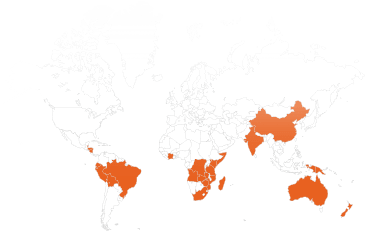
AFRICA
Africa is a beautifully diverse continent made up of people from the tribal Masai Mara to the cosmopolitan city of Cape Town. Discover your inner adventurer on a gap year program in Africa surrounded by endangered wildlife like Africa’s Big 5 or Whale Sharks. Volunteer or complete internships in Africa and spend your spare time surfing on Zanzibar’s white sandy beaches or watching the sunset over Victoria Falls.
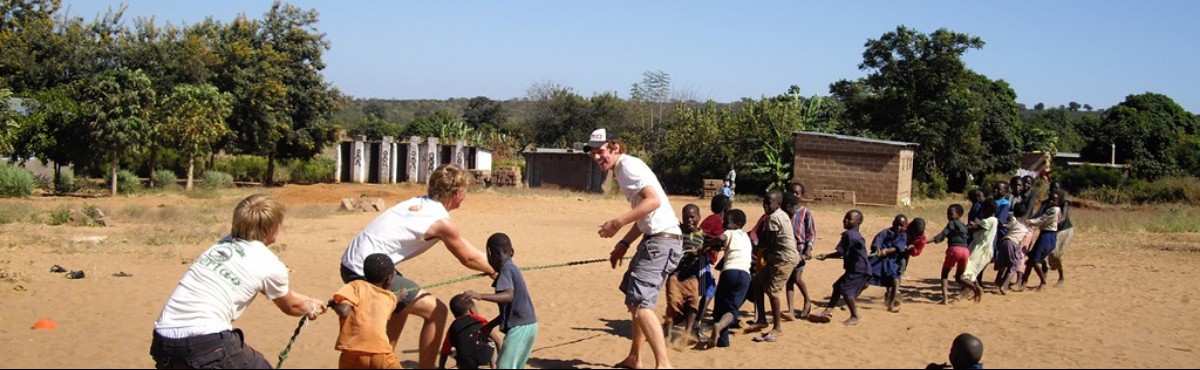
Intern & Volunteer in Africa
The African continent is famous for its incredible scenery such as Victoria Falls and Mount Kilimanjaro, its varied wildlife including the famous Big 5, and the challenges that its varied population are facing from access to education to underfunded healthcare.
African identity and culture is as diverse and varied as its climate, wildlife and landscapes. The vast regional differences, indigenous tribal traditions and languages help to set this continent apart from the rest of the world. Africa is the only continent that is in all 4 hemispheres and home to the largest remaining populations of lions, African elephants, cheetahs and leopards. From the shorelines to the desert this continent is a haven for environmental and wildlife conservation. Work with animals in Africa, volunteer as part of community and development work, sustainability projects or hospital work and healthcare. Whether you are looking for a gap year, a chance to be a sustainable volunteer or intern abroad, there is something for you.
Why Volunteer or Intern abroad in Africa with Kaya Responsible Travel
- You can volunteer in Africa on one of our projects for anywhere between 2-12 weeks.
- Kaya’s volunteer and intern abroad programs are available to start throughout the year.
- All of our projects work towards achieving the UN Sustainable Development Goals.
- Kaya provides all volunteers and interns are provided accommodation for the duration of their trip.
IMPORTANT INFORMATION
- There are 54 countries in Africa – The largest country is Nigeria with a population of 206,139,589.
- Languages spoken – Africa is home to ⅓ of the world’s languages. There are anywhere between 1000 and 2000 languages spoken.
- Religions – There are many religions across the countries in Africa, however the three main religions are African traditional religion, Christianity and Islam.
- Currency – There are 42 different currencies across Africa.
- Climate – Africa is hot! The climate on the continent ranges from Tropical heat to Temperate. The desert in the north region is the hottest, whereas some regions in South Africa have a cooler climate.
FUN FACTS ABOUT AFRICA
Most of the world’s cocoa beans come from Africa! 70% to be exact, which is why foundations like Fair Trade are so important to ensure farmers and workers are treated fairly. The main source of the world’s cocoa is provided thanks to the Ivory Coast, Ghana, Nigeria and Cameroon.
African countries with intern and volunteer projects

Volunteer or Intern in Botswana (coming soon)
Under development: an amazing project in Botswana is coming soon!
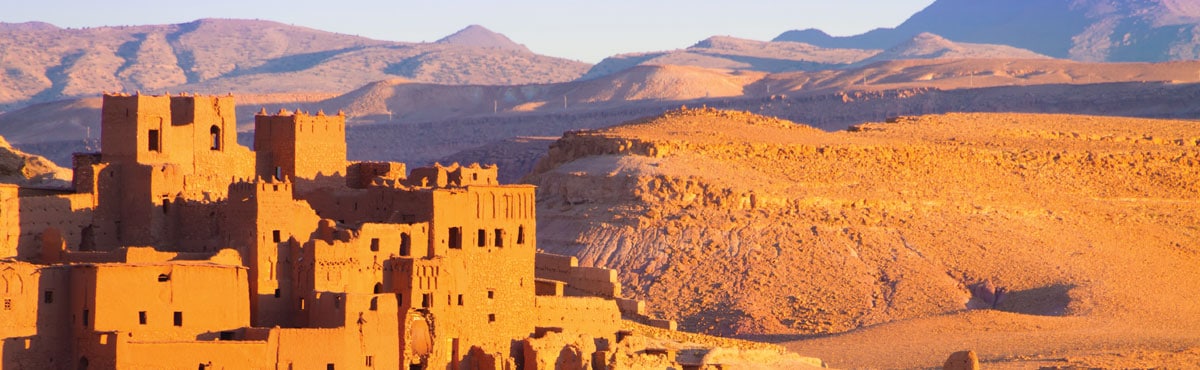
Volunteer or Intern in Morocco
Click here to checkout our varied volunteer projects in or internships in Morocco
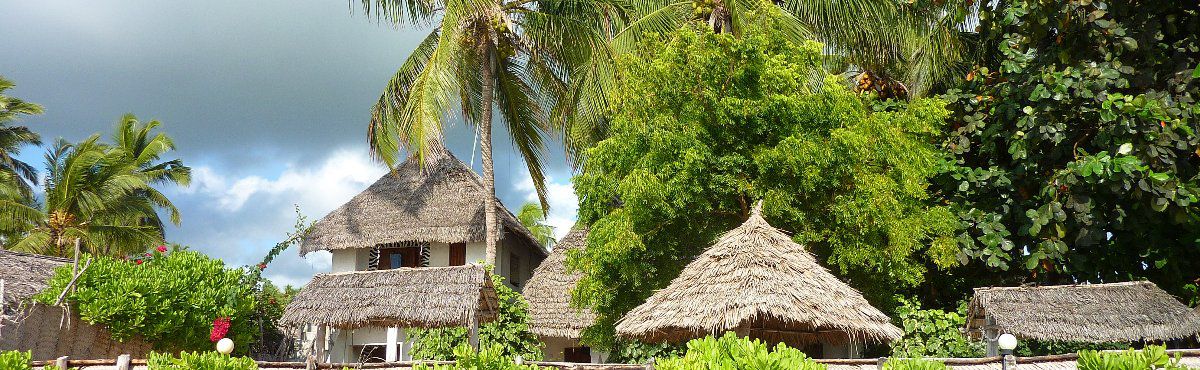
Volunteer or Intern in Tanzania
Click here to checkout our varied volunteer projects or internships in Tanzania

Volunteer or Intern in South Africa
Click here to checkout our varied volunteer projects or internships in South Africa
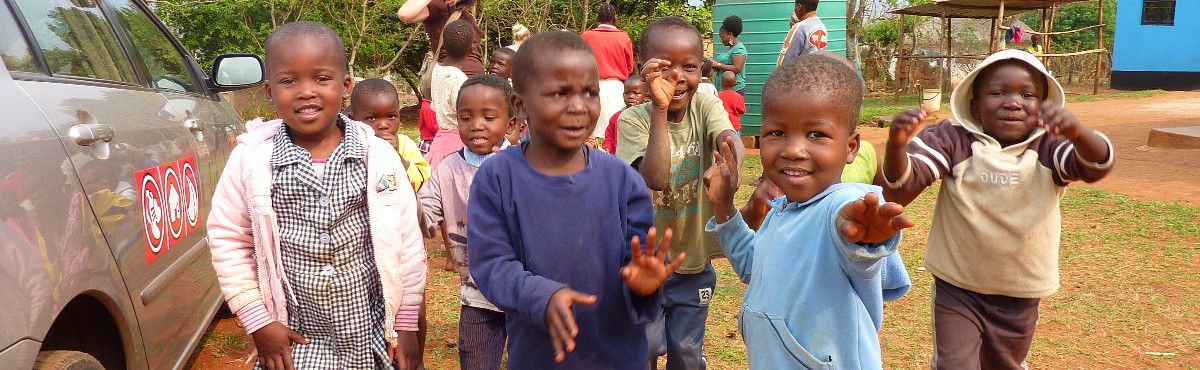
Volunteer or Intern in Eswatini (Swaziland)
Click here to checkout our varied volunteer projects or internships in Eswatini
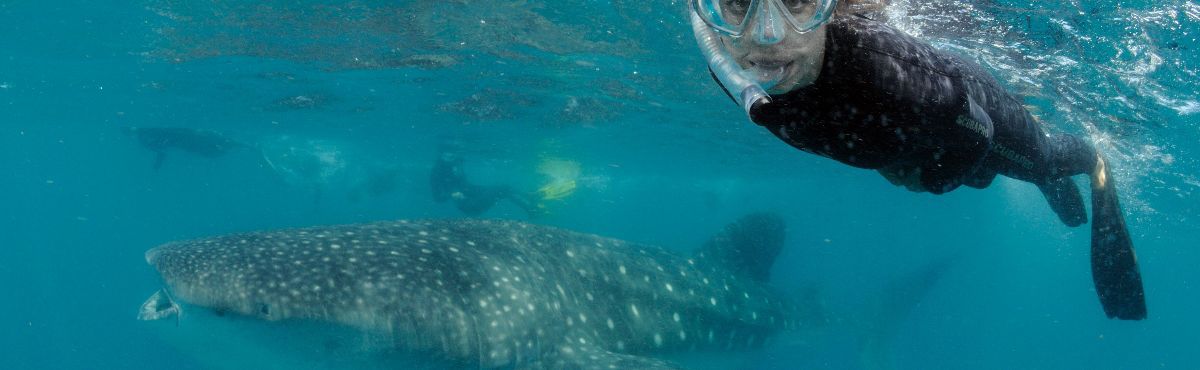
Volunteer or Intern in Mozambique
Click here to checkout our varied volunteer projects or internships in Mozambique
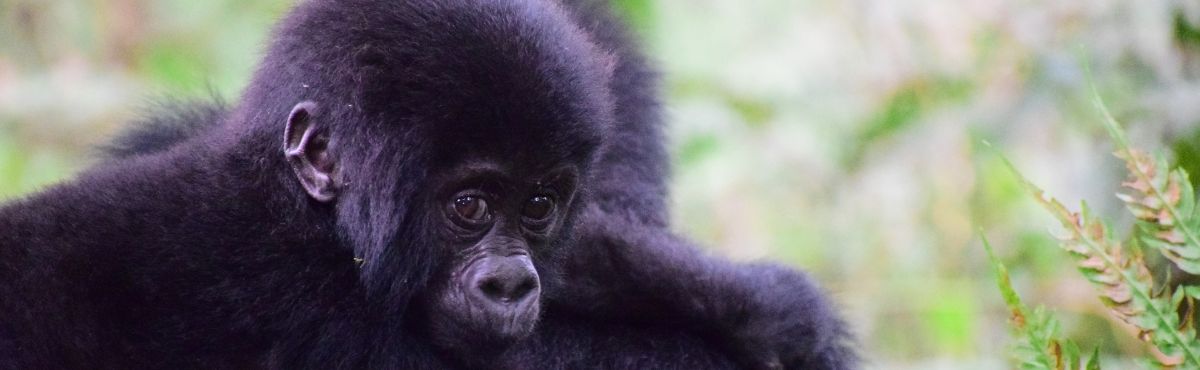
Volunteer or Intern in Uganda
Click here to checkout our varied volunteer projects or internships in Uganda

Volunteer or Intern in Zambia
Click here to checkout our varied volunteer projects or internships in Zambia
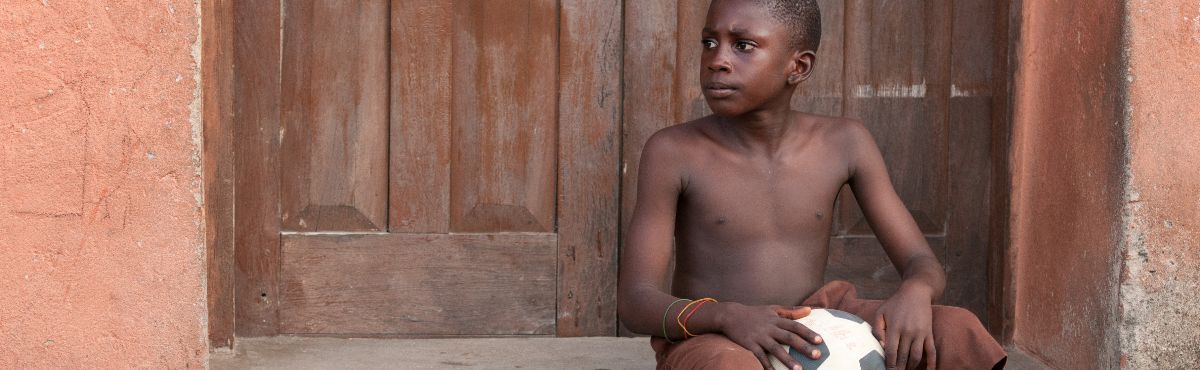
Volunteer or Intern in Ghana
Click here to checkout our varied volunteer projects or internships in Ghana
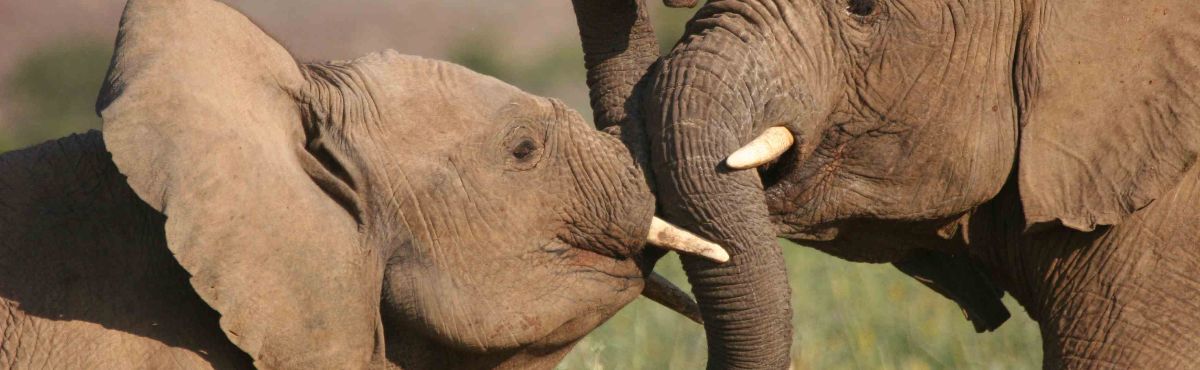
Volunteer or Intern in Namibia
Click here to checkout our varied volunteer projects or internships in Namibia
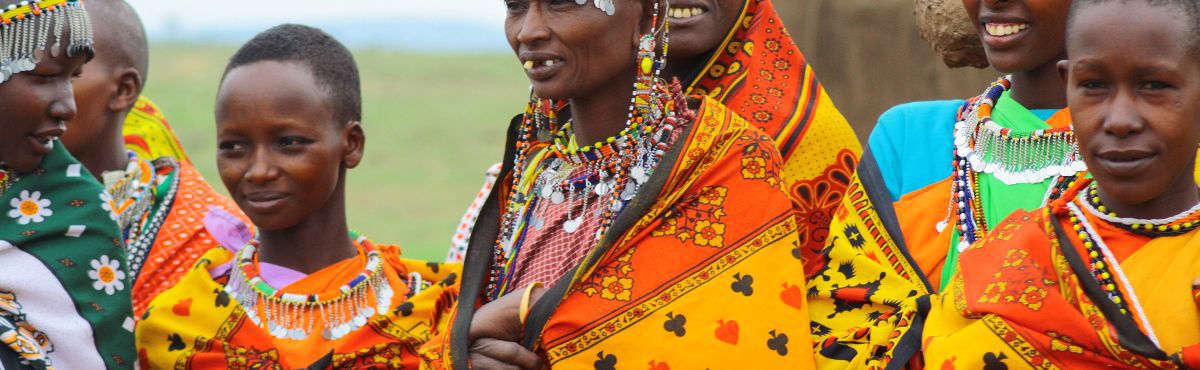
Volunteer or Intern in Kenya
Click here to checkout our varied volunteer projects or internships in Kenya
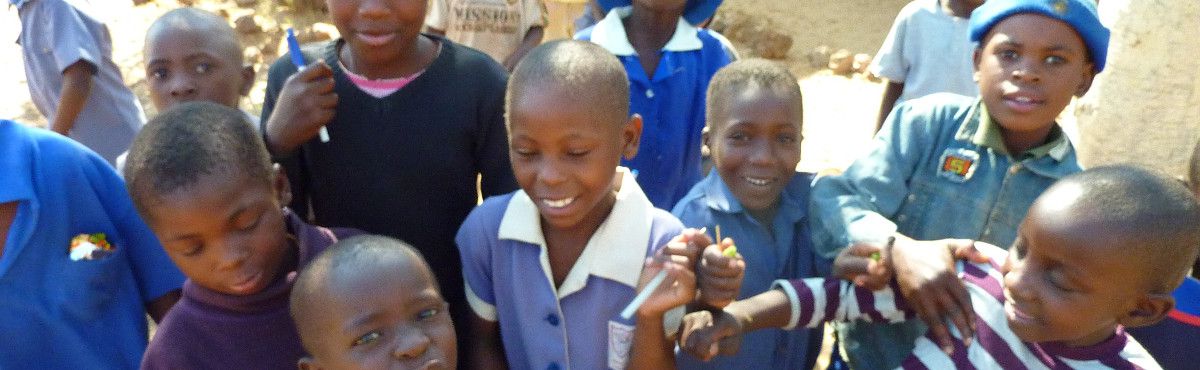
Volunteer or Intern in Zimbabwe
Click here to checkout our varied volunteer projects or internships in Zimbabwe
Africa Travel FAQs
Do I need to arrange my own flight & accommodation?
Accommodation is fully provided by Kaya for all participants interning or volunteering in Africa. Kaya Responsible Travel will organize a guest house, homestay or shared accommodation for all volunteers and interns. However, your flight is not included in program fees, so you’ll be responsible for arranging your travel independently. We’re happy to help give you travel advice though!
How do I apply for a visa for Africa?
Don’t worry, your placement advisors will help you every step of the way for applying to any VISAs necessary. Visa requirements vary for each country in Africa, so it is better to research each country individually – feel free to ask any questions on which volunteer programs require VISAs.
How do I know what Intern or Volunteer in Africa programme is right for me?
When choosing between Africa volunteer programs, ask yourself these questions:
- Do you feel connected to a certain aspect of one of our programmes?
- Are you drawn to a specific country in Africa?
- Is a program perhaps similar to a course you are taking at university?
- Do you wish to gain valuable experience in the field of your career, but through a different culture?
We have a range of opportunities, but it’s ultimately what feels best for you.
Is it safe to Intern or Volunteer in Africa?
We understand going to another country can spark some health and safety concerns. But rest assured, hundreds of Kaya volunteers travel to Africa every year and we pledge to keep them safe. Our local project managers are fully trained in first aid, a pre-departure information pack is sent to our interns and volunteers before leaving and all projects are up-to-date on the latest safety best practices. With us, you can travel to Africa with confidence. You can consult our safety information for more details, or if you’re a parent, read our resources for parents.
How to Volunteer or Intern in Africa or complete and Internship?
We’re happy you have chosen us to volunteer or intern with! All you have to do is the following steps:
- Apply online and pay a small application fee to reserve a space on your selected project, then our trusted advisors will contact you to guide you through the next steps.
- Once we receive your application, we will be in contact shortly to arrange an informal telephone interview with your Kaya Placement Advisor.
- Following the interview, your advisor will provide you with a placement offer. Once you’re ready to confirm placement dates, you can pay the remaining balance and secure a spot on the project.
- Finally, once all details have been confirmed, Kaya will send you a Welcome Pack with lots of helpful information to assist you on preparing for your journey.
We can’t wait to see you! Whether it be in Zambia, Uganda or another one of our amazing destinations, our Africa volunteer programs do important work that matters. Apply now!
Our Volunteer Projects & Internships in Africa
Easy 4-step application process
APPLY ONLINE
Apply online and pay your application fee to apply for your space on your chosen project. Our advisors will then contact you to guide you through the next steps.
TELEPHONE INTERVIEW
Once we’ve received your application, we’ll review your details and be in touch to arrange your informal telephone interview with your Kaya Placement Advisor.
CONFIRMATION
Following your interview, we will provide you a placement offer. Once you are ready to confirm your placement and dates, you can pay your confirmation fee to book and secure your space.
GET PREPARED
When you have confirmed your project dates we'll send you your Welcome Pack and lots of other helpful information to assist you with preparing for your placement.