CONSERVATION
Join Kaya as a conservation volunteer and take part in hands-on projects that protect wildlife, restore habitats, and support marine and plant ecosystems. You’ll gain practical experience, learn new skills, and make a real, positive impact on the environment and local communities.


Conservation Volunteer Projects
Conservation volunteering is a vital way to support the health and resilience of our planet and the communities that depend on it. Rising sea levels, deforestation, and climate change are putting ecosystems and wildlife at risk, and conservation volunteers help protect habitats, restore natural areas, and support sustainable solutions.
Volunteers in conservation contribute to education, habitat restoration, wildlife protection, and community-based conservation projects, gaining hands-on experience while making a meaningful, positive impact on the environment.
There are three key areas that you can make a difference in as a conservation volunteer:
Make friends and make change… Your journey into conservation volunteering will take place within a team of experienced professionals, researchers, and volunteers like yourself. Together you will make waves in rehabilitation, research or habitat development, and will contribute to long-term conservation goals.
Get your hands dirty… This is your chance to gain truly first-hand experience of the challenges facing conservation efforts. From endangered species, to damaged coral reefs, deforestation and so much more – there is a world of specialisms around which your conservation volunteering could focus.
Adventure awaits to learn… as there are options to combine your conservation volunteering with an international diving qualification or a wildlife internship. The possibilities are as vast and wild as the habitats and animals you will be working to protect.
Read more in our blogs here:
- What’s so Important about Volunteering on an Environmental Conservation Project
- Environmental Conservation in Ecuador
- The Importance of Wildlife Conservation
- Top 10 Wildlife Volunteering Projects
- African Elephants could be Extinct in the Wild within Decades
Our Conservation volunteer projects
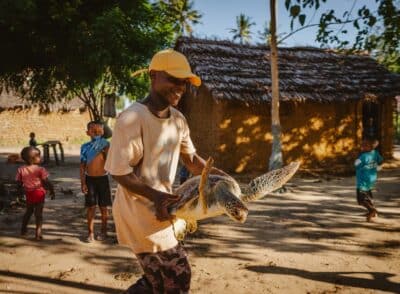
Observe sea turtle behaviors on stunning beaches whilst contributing to key research and conservation efforts in Kenya.
wishlistRemove from
wishlist
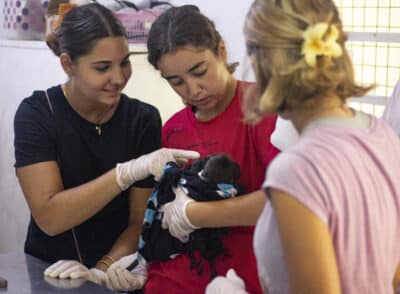
Witness primates in a unique habitat whilst contributing to key research and conservation efforts in the Kenya.
wishlistRemove from
wishlist
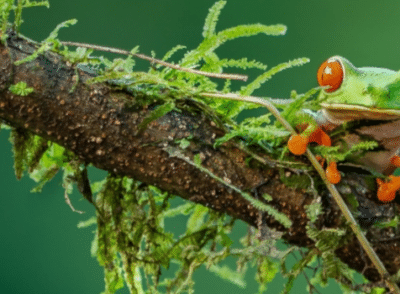
Join our 10 or 7-week Environment Conservation and Community Development Gap Year Adventure Program, and explore Costa Rica in an exciting and meaningful way!
wishlistRemove from
wishlist
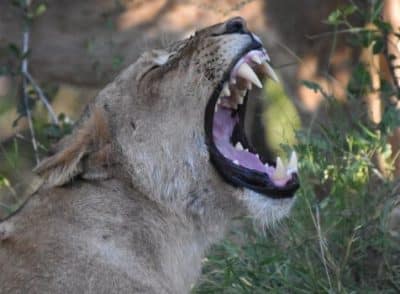
Join our 10 or 7-week environment conservation and community development gap year program, and explore South Africa in an exciting and meaningful way!
wishlistRemove from
wishlist

Volunteer in Zimbabwe and take part in important conservation and anti-poaching work, helping to protect vulnerable animals and preserve their habitats.
wishlistRemove from
wishlist

Volunteer and have an amazing time working on this game reserve in Port Elizabeth. Work with South Africa's big 5: lion, African elephant, cape buffalo, rhino and leopard.
wishlistRemove from
wishlist

Volunteer in Mozambique with hands-on whale shark research, coral reef monitoring, humpbacked whale monitoring and turtle nest surveys.
wishlistRemove from
wishlist

In partnership with a local indigenous family that lives in the Amazon rainforest, this centre rehabilitates wild animals from the jungle that were victims of abuse and animal trafficking.
wishlistRemove from
wishlist

Volunteer on this Sea Turtle conservation project and protect female sea turtles, their nests and hatchlings on beaches along the coasts of Costa Rica.
wishlistRemove from
wishlist

Be part of a leading research programme and help with sustainable community and environmental conservation initiatives in the Peruvian rainforest.
wishlistRemove from
wishlist

Volunteer in Zimbabwe and get first hand experience of wildlife rescue, rehabilitation and release in one of Africa’s oldest wildlife sanctuaries located in Bulawayo.
wishlistRemove from
wishlist

Volunteer and help care for orangutans, sun bears, monkeys, crocodiles, and a wide range of birds at this wildlife rescue centre.
wishlistRemove from
wishlist

Use your passion for elephants and observe them in their natural habitat and work on a project that is providing solutions to the elephant-human conflict.
wishlistRemove from
wishlist

Volunteer in Ecuador on an economic and community development initiative to help families preserve their values, culture and environment and create sustainable livelihoods.
wishlistRemove from
wishlist

If you are interested in environmental science and conservation efforts then volunteer on this project located in the stunning Cloud Forest in Ecuador.
wishlistRemove from
wishlist

This marine conservation project is perfect for divers or those wishing to learn to dive and contribute to sustainable development for the sea and local communities.
wishlistRemove from
wishlist

Volunteer in Costa Rica in a busy animal rescue centre, helping animals that have been neglected, lost their natural habitats or injured and are undergoing rehabilitation.
wishlistRemove from
wishlist

Volunteer with us on a turtle conservation project in Sri Lanka and help a local team protect five endangered species of turtle.
wishlistRemove from
wishlist

Join this incredible wildlife photography course to develop skills for taking great shots whilst participating in essential conservation education and activities in the Greater Kruger Area.
wishlistRemove from
wishlist

Volunteer in South Africa on a research and conservation project in the greater Kruger area home to the Big 5; lion, elephant, buffalo, rhino and leopard, and more
wishlistRemove from
wishlist

Volunteer on a Dolphin and Marine Conservation project on the island of Zanzibar and help preserve the habitats by monitoring tourist and wildlife interaction.
wishlistRemove from
wishlist
Easy 4-step application process
APPLY ONLINE
Apply online and pay your application fee to apply for your space on your chosen project. Our advisors will then contact you to guide you through the next steps.
TELEPHONE INTERVIEW
Once we’ve received your application, we’ll review your details and be in touch to arrange your informal telephone interview with your Kaya Placement Advisor.
CONFIRMATION
Following your interview, we will provide you a placement offer. Once you are ready to confirm your placement and dates, you can pay your confirmation fee to book and secure your space.
GET PREPARED
When you have confirmed your project dates we’ll send you your Welcome Pack and lots of other helpful information to assist you with preparing for your placement.