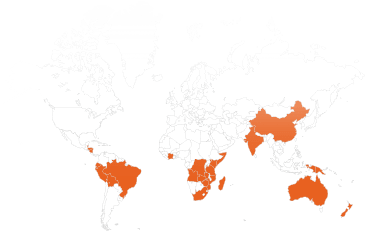
BRAZIL
Intern or Volunteer in Brazil on a wildlife conservation project to help define ecological corridors supported by some of the world’s best scientists in the field. Brazil is a biodiversity hub and carbon sink, however, deforestation is threatening wildlife and fuelling climate change.
Intern & Volunteer in Brazil
Brazil’s rich and diverse culture makes it a great destination to explore. Carnival, capoeira, caipirinha, exotic fruits, rainforest and Rio are just a sample of what makes Brazil so unique. Brazil is the largest and most influential country in Latin America, yet it still faces many threats due to the use of its land and deforestation.
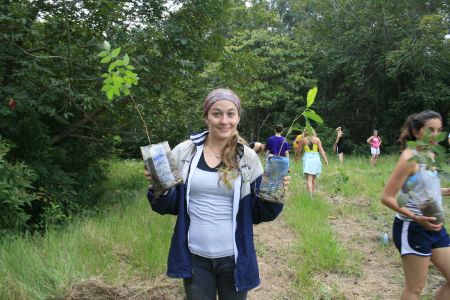
If you want to experience Brazil’s amazing natural beauty, whilst helping create a safe space for the surrounding environment to thrive and helping decrease deforestation, volunteering in Brazil is perfect for you! We often live in our own heads, what better way to step out of your comfort zone and help build something greater than yourself with the local community. Our projects in Brazil guarantee you will get in touch with nature and open your eyes to the complexity of the many ecosystems surrounding you.
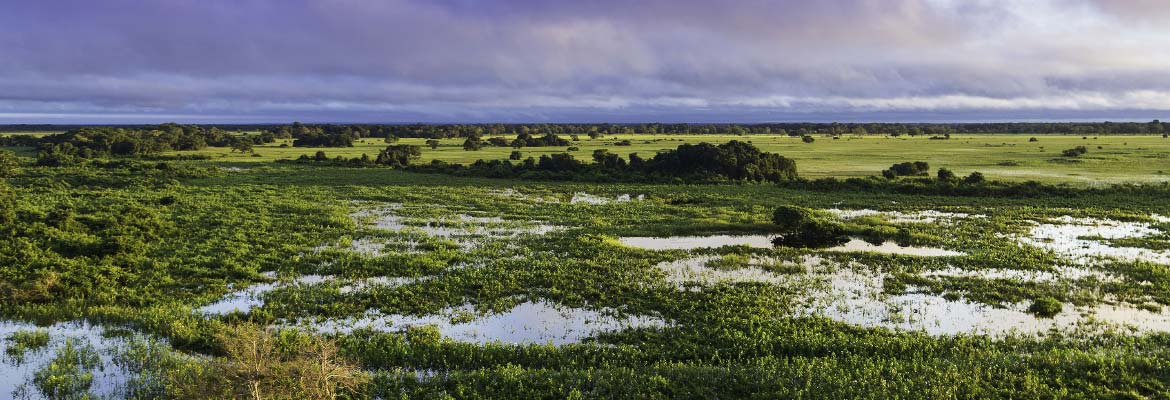
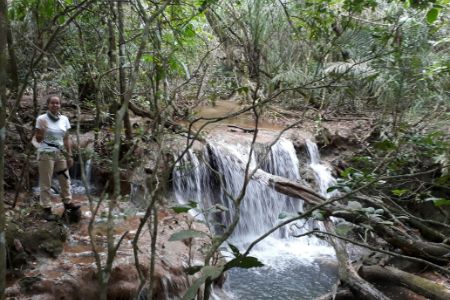
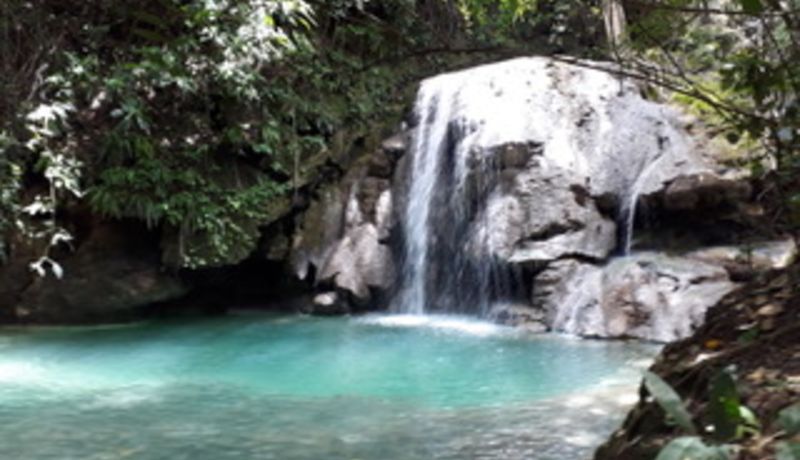
Our projects are located in the state of Mato Grosso do Sul, central west Brazil. Known for its biodiversity, Mato Grosso do Sul is well known for its ecological tourism. Located at the base of the Pantanal region, recognized by UNESCO World Heritage site, you will have the opportunity for independent travel in the area either before or after your volunteer in Brazil placement. The region is well known for its limestone springs, your accommodation will be only an hour away from two main tourist towns including Miranda and Bonito.
Volunteer in Brazil and gain invaluable experience and knowledge about wildlife conservation! Join us in creating a better environment for Brazil today!
Why Intern or Volunteer Abroad in Brazil with Kaya?
- You can become an intern or volunteer in Brazil on one of our projects for anywhere between 2-12 weeks.
- Kaya’s internship and volunteer projects in Brazil are available to start throughout the year.
- All of our projects work towards achieving the UN Sustainable Development Goals.
- Kaya provides all volunteers and interns with accommodation for the duration of their trip.
IMPORTANT INFORMATION
- Population – 214.3 million (2021 estimate)
- Languages spoken – Portuguese is the primary language of Brazil however, Spanish and English are also spoken.
- Religion – Predominantly Roman Catholic and Christian.
- Currency – Brazilian Real (R$)
- Climate – Mainly equatorial and tropical, however, Northern Brazil experiences higher temperatures and rainfall.
FUN FACTS ABOUT BRAZIL
Around 60% of the Amazon Rainforest is in Brazil! The remaining 40% is shared between 8 other countries; Bolivia, Colombia, Ecuador, Guyana, Peru, Suriname, Venezuela and French Guiana.
Gallery




Brazil Travel FAQs
Is it easy to make friends whilst volunteering in Brazil?
Absolutely! Kaya provides accommodation for every volunteer and intern in Brazil, so you will be able to make friends with other volunteers in either a volunteer house, guest house or home stay!
Why volunteer in Brazil?
Our Brazil volunteer programs align with the UN’s Sustainable Development Goals, which means when you volunteer in Brazil with us you will be contributing to a better future. The wildlife in Brazil is in great danger due to deforestation, and our volunteer program gives you the chance to be part of the change this planet needs!
How do I apply to volunteer or intern in Brazil?
You can apply to our volunteer programs in Brazil by following these 4 simple steps:
- Apply online & pay an application fee.
- Complete an telephone interview with one of our Kaya placement advisors
- Receive confirmation and pay the remaining balance of the program you’re applying to.
- Get prepared! You will be sent a pre-departure guide that will prepare you for the amazing experience to come.
Is it safe to travel in Brazil?
Yes! Kaya volunteers are based in Bodoquena, Mato Grosso do Sul, which is a town consisting of roughly 8,000 people in western Brazil and it is considered a safe place. You will be safe whilst volunteering in Brazil as our local program leaders are up to date on health and safety best practices and know more about the land than anyone. You really are in the best hands! For more safety tips, check out our safety blog.
Easy 4-step application process
APPLY ONLINE
Apply online and pay your application fee to apply for your space on your chosen project. Our advisors will then contact you to guide you through the next steps.
TELEPHONE INTERVIEW
Once we’ve received your application, we’ll review your details and be in touch to arrange your informal telephone interview with your Kaya Placement Advisor.
CONFIRMATION
Following your interview, we will provide you a placement offer. Once you are ready to confirm your placement and dates, you can pay your confirmation fee to book and secure your space.
GET PREPARED
When you have confirmed your project dates we'll send you your Welcome Pack and lots of other helpful information to assist you with preparing for your placement.