
The definition of international experience is changing. For years, gaining cross-cultural work experience meant booking flights, arranging housing abroad, and spending months in another country. Today, a growing number of students and recent graduates are building that same kind of experience through remote internships, and discovering that the professional and personal value holds up in ways they did not expect.
What Is a Remote Internship?
A remote internship (sometimes called a virtual internship or online internship) places you with a real organization, working on real projects, from wherever you currently live. Unlike a traditional internship where geography limits your options, a remote internship opens up placements with NGOs, social enterprises, and community organizations around the world.
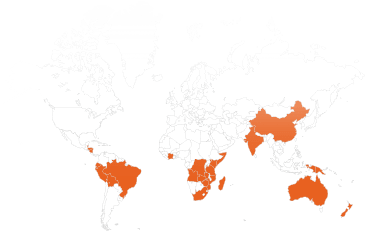
The work itself varies widely. Depending on your field, you might be supporting a public health organization in Vietnam, or developing marketing materials for an environmental nonprofit in Ecuador. The common thread is that the work is substantive and the organization depends on it.
Why Remote Internships Are Worth Taking Seriously
In some circles, there is a persistent assumption that remote internships are a lesser version of the real thing. However, what employers really care about is whether a candidate can do the work: communicate clearly, manage their time, collaborate across differences, and deliver results without someone looking over their shoulder. A well-structured remote internship tests all of those skills, often more rigorously than an in-office placement where a supervisor is a few desks away.
Cross-cultural remote work adds another layer. Navigating a professional relationship with a supervisor in a different country, adapting to a different organizational culture, and learning to build trust across time zones are competencies that more and more companies are actively looking for as their own teams become increasingly distributed.
The Cost Difference Is Significant
One of the most practical arguments for remote internships is financial. A traditional intern abroad program, once you factor in flights, accommodation, visa costs, and living expenses, can easily run into the thousands for a summer. For many students, that cost is simply out of reach.
Remote internships eliminate the largest expenses entirely. The remaining program fees typically cover placement support, supervisor check-ins, cultural programming, and the organizational infrastructure that makes the experience more than just freelancing for a nonprofit on your own. For students weighing the return on investment, a remote international internship offers a meaningful way to close the experience gap without the financial burden of traveling abroad.

What Separates a Structured Program from Going It Alone
It is possible to find volunteer work or informal placements independently. What a structured remote internship program adds is the scaffolding that turns a short-term placement into lasting professional development.
That scaffolding typically includes regular feedback sessions with a supervisor, orientation to the host organization and country context, peer cohort connections, and support translating the experience into academic credit or career next steps. For students who have never worked internationally before, that structure also provides a safety net: someone to turn to when communication breaks down, cultural misunderstandings arise, or the work takes an unexpected turn.
Programs like Kaya’s remote internship are built around this model, pairing placement with weekly cultural workshops, local buddy connections for informal cultural exchange, and a reentry toolkit for applying the experience after the program ends. The cultural component matters more than it might seem on paper. Understanding how professional relationships, communication styles, and workplace hierarchies differ across cultures is not something you can absorb from a textbook, and it is increasingly relevant in almost any career field.
Academic Credit and Career Outcomes
Many universities now recognize remote internships for academic credit, particularly as experiential learning requirements have expanded beyond campus. Students interested in pursuing credit should confirm their institution’s requirements early and look for programs whose placement advisors actively support that process. For those whose institutions do not offer internship credit, some programs offer the option to enroll in a credit-bearing course through a partner university that can satisfy general elective or global studies requirements.
On the career side, remote international internships are showing up more frequently on resumes that get noticed. The combination of nonprofit or NGO experience, cross-cultural competency, and demonstrated remote work skills is a genuinely differentiated profile in a crowded job market.
Cohort Structure Makes a Difference
One underappreciated feature of well-designed remote internship programs is the cohort model. Rather than completing a placement in isolation, students participate alongside peers from different backgrounds and institutions who are doing similar work in the same country or region. Discussion forums, shared cultural workshops, and group reflection sessions create a community of people navigating the same questions at the same time.
That peer network often outlasts the program itself. LinkedIn alumni groups, email chains, and even longlasting group chats can connect former remote interns with people who have since gone on to careers in global health, international development, environmental policy, and beyond.

Who Remote Internships Are Best Suited For
Remote internships work well for students who are self-directed, curious about the world, and looking for meaningful work experience that fits around an existing schedule. They are particularly well-suited for people who cannot take a full semester or summer away from their current location due to financial constraints, family responsibilities, or other commitments.
They are also a practical first step for students who want international experience but are not yet ready for the full commitment of living abroad. The professional relationships, cultural fluency, and self-knowledge gained from a remote internship often make the eventual leap to in-person international experience feel much more manageable. Fields available through structured programs now span most academic disciplines: business, communications, public health, environmental science, law, journalism, education, graphic design, IT, human rights, social enterprise, and more. The breadth reflects how widely the demand for this kind of experience has grown.
Remote internships are not a workaround for the real thing. For a growing number of students, they are becoming the real thing: a legitimate, affordable, and professionally meaningful way to start building a global career from wherever you happen to be right now.

Kaya’s remote international internship cohorts are still accepting applicants! Experience a program that doesn’t cut corners on cultural connection or professional support.
Recent comments