What is the Rhino, Elephant and Big Cat Research and Conservation project in South Africa all about?
Volunteer in South Africa and work on incredible rhino, elephant and big cat research and conservation in Kruger, home to the Big 5. The Greater Kruger area is home to lions, elephants, buffalos, rhinos and leopards, as well as over 400 species of birds. This project aims to share data with large scale projects, conservation agencies and the authorities to protect habitats and species and to help with education of humans to reduce their impact. Game drives are an important aspect of this placement. You will have the opportunity to be involved in research about reptiles, as well as other project initiatives relating to the Big 5, including:
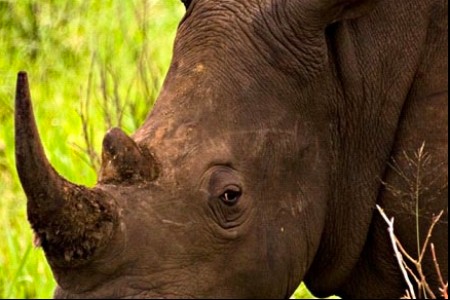
- The rhino population has dropped from 100,000 (1960s) to around 3,500 today and a reintroduction programme has taken place in the park to protect and monitor this species.
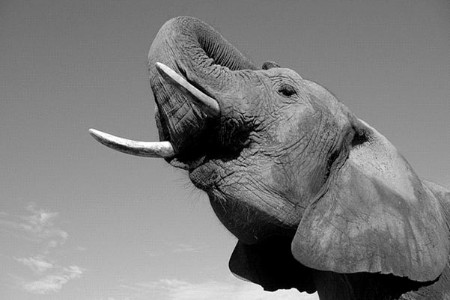
- Elephants are suffering because of the conflicts with humans in the region and the project monitors the elephant’s environment and behaviours in an effort to secure their futures.
- Big cat populations have seen a 80% decline in numbers in the last 30 years, due to illegal poaching, a lack of prey and reduction in habitat.
- Buffalo continue to be vulnerable; so tagging and recording data about them is important to their survival.
Learn or develop your research knowledge and skills to help the project team protect and conserve these magnificent species for future generations.
Why choose this Wildlife Conservation in South Africa project?
Join this fabulous project to protect Africa’s Big 5 and support local communities with their conservation efforts through providing hands on help, collecting and analysing data, and discussing projects. You will learn about local history and be culturally immersed as you study rhinos, elephants, big cats and so much more! If you are studying animal welfare or wildlife conservation, you will be able to complement your studies by learning about research techniques actually taking place to protect wild animals who are at risk from climate and habitat change and human interaction.
Role of the Wildlife Conservation volunteer
As a volunteer living and working in the heart of a Big 5 Game Reserve, you will be actively involved in carrying out research on the population of the wildlife, as well as helping with the maintenance of the habitats of the animals. Your placement will be determined by the needs of the local project at the time of your placement. You will be supported by an experienced local team while:
- Gathering information in the bush, captured from a number of species, such as elephant herds
- Observing hunting practices, as well as, noting social, breeding and territorial behaviour
- Recording the nighttime movements of the rhinos
- Collating and recording research data; participating in office based conservation project work
- Contributing to habitat maintenance and conservation initiatives, such as creating waterholes, road clearing, soil erosion prevention, and litter collection
- Participating in conservation education
What skills do I need to be a Rhino, Elephant and Big Cat Wildlife Conservation Volunteer?
You must have a genuine love and concern for animals and the environment to join this project. Due to the physical nature of the work, a reasonable level of fitness is required. Enthusiasm, openness and the ability to be flexible and cooperative is vital. Awareness of research skills, knowledge and experience in African wildlife is helpful, but not necessary, as you will learn this on your placement. If you are studying and wish to gain credit, speak to a Kaya Placement Advisor. Please bring a laptop to help with data and project activities.
WHY JOIN THE PROJECT
FEATURED VIDEO
PROJECT TESTIMONIALS
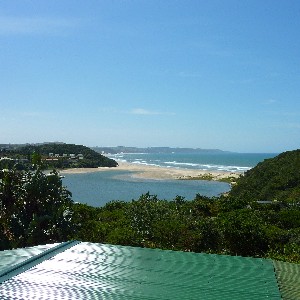
Where will I work in South Africa?
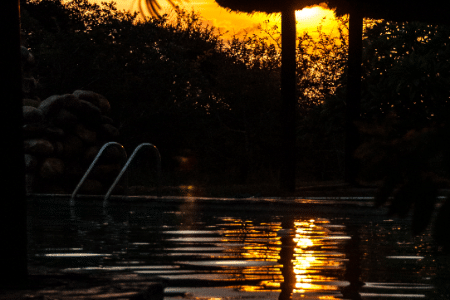
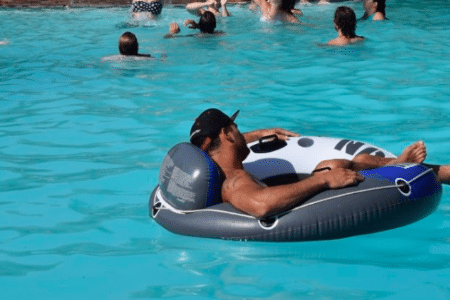
You will be based in a beautiful private game reserve in the Greater Kruger area of stunning South Africa. Days will be spent on the reserve, where you will have plenty of opportunities to see the animals in their natural environment. At night, enjoy sitting around the fire listening to the sounds of the wild, while gazing at a clear and breathtaking sky. You can also relax by the pool in your time off. At weekends. there are a range of excursions that you can join to complete your true African adventure.
Details & Costs
- Duration: 2-12 weeks
- Cost: £2373/$3580 for 2 weeks See drop-down menu for additional weeks.
- Requirements: Age 16+
- Location: Greater Kruger, South Africa
- Working hours: Monday – Friday, 6:00 – 17:00 (schedules vary, depending on the time of year of your visit)
- Project availability: Project runs every other weekend from April 18, 2021. Contact a Kaya advisor to confirm exact dates.
- Arrival day: Sunday
What is included
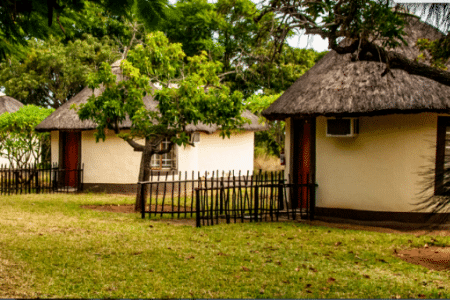
- Accommodation: shared accommodation within the game reserve with outdoor area and swimming pool
- Food: 3 meals per day
- Airport pick up and drop off on Sundays into Hoedspruit Airport
- Weekly laundry service, for a small fee
- Training: pre-departure information pack, on-site orientation and project induction
- Research drives and transfers relating to your project during your stay
- Support: 24 hour support from on-site coordinator.
- Activities: Staff help organise weekend activities (activity price may be extra)
What is not included
- Flights
- Insurance
- Visas
- Wifi (available for a fee, you will need your own device)
- Police/Government Background Check: US and UK citizens will be processed through Kaya (admin fee applies); all other nationalities must provide local police check.
- Any costs for COVID-19 PCR tests required pre-departure and in-country
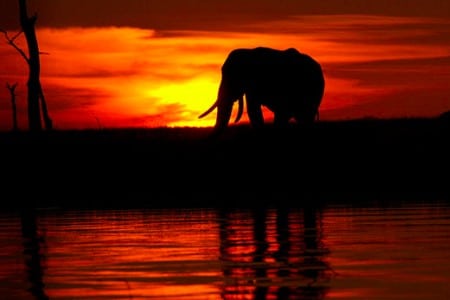
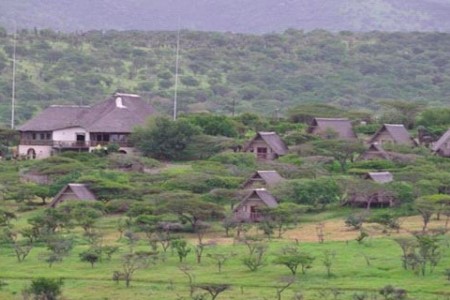
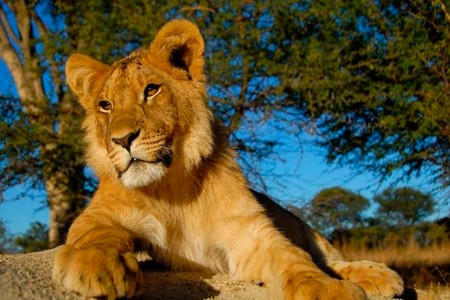
Pictures from our Wildlife Conservation project in South Africa


2024 Dates
| Start Days | |
| January | 7th, 21st |
| February | 4th, 18th |
| March | 3rd, 17th, 31st |
| April | 14th, 28th |
| May | 12th, 26th |
| June | 9th, 23rd |
| July | 7th, 14th, 21st, 28th |
| August | 4th, 11th, 18th, 25th |
| September | 1st, 15th, 29th |
| October | 13th, 27th |
| November | 10th, 24th |
| December | 8th, 22nd |
Easy 4-step application process
APPLY ONLINE
Apply online and pay your application fee to apply for your space on your chosen project. Our advisors will then contact you to guide you through the next steps.
TELEPHONE INTERVIEW
Once we’ve received your application, we’ll review your details and be in touch to arrange your informal telephone interview with your Kaya Placement Advisor.
CONFIRMATION
Following your interview, we will provide you a placement offer. Once you are ready to confirm your placement and dates, you can pay your confirmation fee to book and secure your space.
GET PREPARED
When you have confirmed your project dates we'll send you your Welcome Pack and lots of other helpful information to assist you with preparing for your placement.

Join a 2-week group micro-internship that combines lectures, interactive discussions on sustainability models, learn about the challenges and successes of these in Costa Rica and finish off the program with practical fieldwork.
wishlistRemove from
wishlist
Join this Marine Big 5 Volunteer Program in Gansbaai South Africa and contribute to the protection of the Cape Coast ecosystem!
wishlistRemove from
wishlist
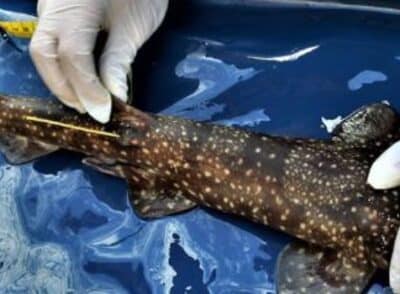
Join this Scientific Skills Based Marine Internship in Gansbaai South Africa as and assist world class biologists and researchers.
wishlistRemove from
wishlist
Join the clean and renewable energy internship in South Africa and make an impact environmentally or economically, depending on your field!
wishlistRemove from
wishlist
Join this Marine Big 5 Volunteer Program in Gansbaai South Africa and contribute to the protection of the Cape Coast ecosystem!
wishlistRemove from
wishlist
Join this Scientific Skills Based Marine Internship in Gansbaai South Africa as and assist world class biologists and researchers.
wishlistRemove from
wishlist
Join the clean and renewable energy internship in South Africa and make an impact environmentally or economically, depending on your field!
wishlistRemove from
wishlist
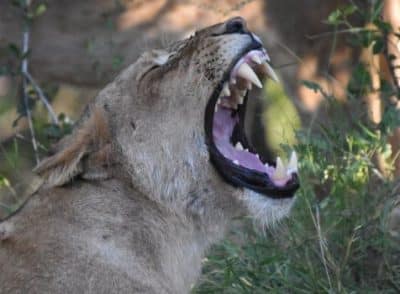
Join our 10 or 7-week environment conservation and community development gap year program, and explore South Africa in an exciting and meaningful way!
wishlistRemove from
wishlist
Refine your photography skills, enhance your CV and help create impactful images for a local NGO in Cape Town
wishlistRemove from
wishlist