Creating Transformative Learning Through Ethical Community Engagement
Alternative Break programs have evolved far beyond the traditional concept of service trips.
Today, universities are increasingly seeking experiences that combine academic learning, cultural immersion, community engagement, and global citizenship development—all within the limited timeframe of a spring or alternative break.
For Study Abroad and Global Education offices, Alternative Break programs can present a unique opportunity to engage students who may not be able to participate in a semester-long program abroad, while still delivering meaningful intercultural learning outcomes.
When thoughtfully designed, these short-term experiences can leave a lasting impact on students, helping them develop cultural humility, critical thinking skills, and a deeper understanding of global issues. Equally important, if done properly, they can support communities in ways that are ethical, respectful, and aligned with local priorities.
At Kaya, we’ve spent decades helping universities design responsible Alternative Break programs that prioritize both student learning and community benefit.
Why Alternative Break Programs Matter
Alternative Break programs can provide students with an accessible pathway to international education.
Even a one-week program can:
- Increase student participation in global learning opportunities
- Remove barriers related to time, finances, athletics, or family commitments
- Foster cultural immersion and intercultural understanding
- Encourage reflection on social, environmental, and economic issues
- Connect classroom learning with real-world challenges
- Develop globally minded graduates
For many, an Alternative Break can be their first experience traveling outside their home country. The experience often sparks greater interest in future study abroad, international careers, or community engagement initiatives closer to home.
The key is ensuring that these experiences are designed with intention.
Beyond “Voluntourism”
As international educators, we have a responsibility to ask difficult questions when designing service-learning experiences abroad.
- Who benefits from the program?
- Is the work addressing a need identified by the community?
- Will the project continue after students leave?
- Could the presence of students unintentionally create challenges for local organizations?
These are the types of questions that guide Kaya’s approach to ethical community engagement.
We focus on two core principles:
1. Community Involvement and Local Leadership
Successful service-learning programs begin with listening.
Rather than creating projects based on what visiting students want to do, ethical programs are built around priorities identified by local communities and organizations.
This means working with local experts who can:
- Identify genuine community needs
- Provide cultural guidance and context
- Help anticipate unintended consequences
- Ensure activities complement and support existing activities
Students are not arriving as “helpers” with solutions. They are arriving as learners, collaborators, and guests.
2. Sustainability and Long-Term Impact
Community engagement should extend beyond a single week.
Before engaging in any service-learning component, groups should always consider:
- What happens after the group leaves?
- Is there local ownership of the project?
- Does the activity contribute to long-term community goals?
- Are local resources available to maintain outcomes?
By focusing on sustainability, Alternative Break programs can support meaningful partnerships rather than one-time interventions.

Why Latin America Works Well for One-Week Alternative Break Programs
Latin America offers a great balance of accessibility, affordability, and impactful learning opportunities.
Shorter flight times, lower travel costs, and diverse cultural and environmental contexts make LATAM particularly well-suited to week-long programs.
Kaya has developed Alternative Break itineraries across Latin America that combine community engagement, cultural immersion, reflection, and exploration.
Here are just a few examples.
Ecuador: Community Life in the Cloud Forest
In Ecuador, students spend their week living with host families in an Ecuadorian cloud forest community.
Here, students participate in community-led initiatives connected to sustainable agriculture, food sovereignty, environmental conservation, and community development. Activities include supporting agroecological projects, learning traditional handicraft techniques, participating in community “mingas” (collective work parties), and exploring ancient Yumbo trade routes.
The homestay experience allows students to move beyond observation and experience daily life through authentic relationships with local families.
The result is a deeper understanding of sustainability, community resilience, and intercultural exchange.
Peru: Learning from Indigenous Communities in the Sacred Valley
In Peru, students travel beyond the iconic image of Machu Picchu to engage directly with communities preserving centuries-old traditions.
Kaya’s program in the Sacred Valley includes time in the rural community of Misminay, where students work alongside residents on community-identified infrastructure projects while learning about traditional agriculture, indigenous culture, and sustainable tourism.
Students help improve community facilities, participate in cooking workshops, learn textile traditions from local artisans, and gain insight into how tourism can support economic development when managed by communities themselves.
The experience provides a powerful lens through which to explore heritage preservation, development, and cultural identity.
Dominican Republic: Human Rights, Immigration, and Community Development
For groups interested in social justice, the Dominican Republic offers a compelling learning environment.
Students engage with local organizations and community leaders working in batey communities (settlements originally established for migrant sugar cane workers).
Through conversations with human rights advocates, visits to community projects, and hands-on work supporting infrastructure improvements, students gain a deeper understanding of immigration, labor rights, public health, and social equity.
These experiences encourage students to critically examine complex global issues while building empathy through direct engagement and dialogue.
Costa Rica: Conservation Through Community Partnerships
Costa Rica demonstrates how environmental sustainability and community development can go hand in hand.
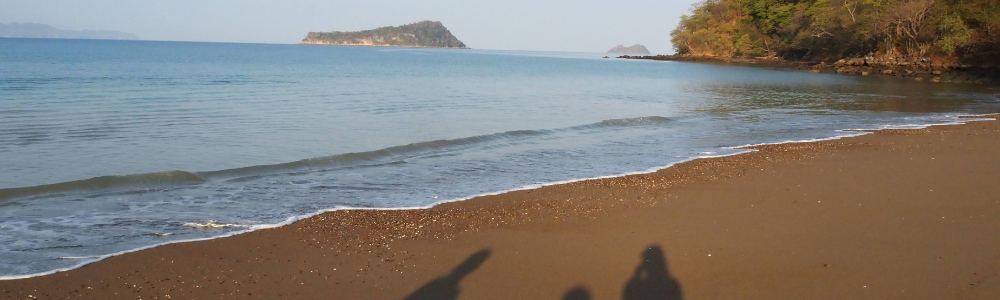
In Kaya’s coastal conservation program, students collaborate with local NGOs, conservation organizations, and women-led enterprises while exploring the relationship between environmental protection and economic opportunity.
Activities include marine conservation education, community beach clean-ups, citizen science initiatives, environmental monitoring, cultural workshops with local artisans, and conservation service projects within protected wildlife areas.
Students leave with a richer understanding of how communities are addressing environmental challenges through locally driven solutions.
Designing Alternative Break Programs Responsibly
As demand for short-term global experiences continues to grow, institutions have an opportunity to model best practices in ethical engagement.
By prioritizing community voice, sustainability, reflection, and mutual benefit, Alternative Break programs can become powerful educational experiences that serve both students and host communities.
At Kaya, we believe the best programs are those where students return home not feeling that they have “changed a community,” but recognizing how the community has changed them.
Ready to Build Your Next Alternative Break Program?
Connect with the Kaya groups team to learn more, get sample itineraries and discuss budgets.
All examples quoted have 1-week itineraries starting from $2000-2500 in 2027!

Recent comments