MARINE CONSERVATION
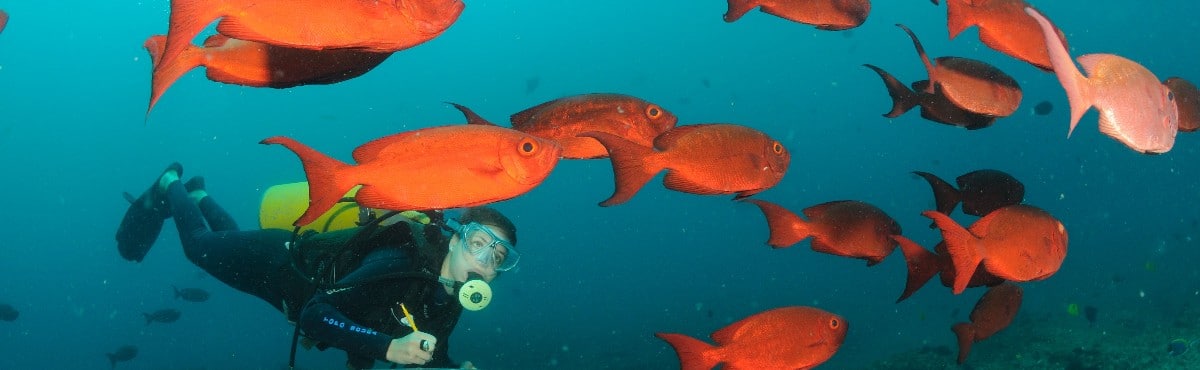
Volunteer with Kaya and you can observe and swim alongside the stunning inhabitants of our seas and oceans while participating in essential marine conservation efforts. Become a marine conservation volunteer, put on a wetsuit or beachwear, and help to protect and restore vulnerable marine habitats and species such as turtles, whale sharks and dolphins.
Marine Conservation Volunteer Projects
With sea levels rising, oceans warming, and masses of pollution all contributing to a loss of marine life, there has never been a better time to consider working as a marine conservation volunteer.
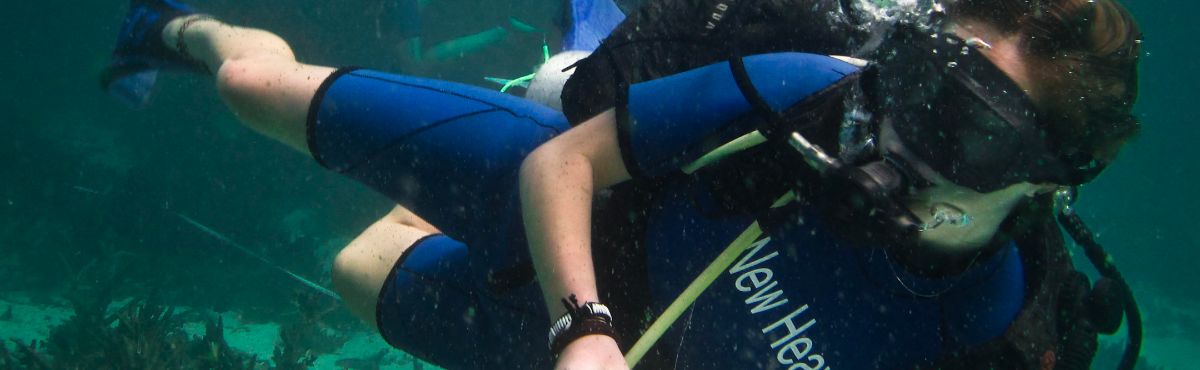
As a marine conservation volunteer or intern, you will work with and learn from qualified marine scientists and local specialists who focus their efforts on protecting the seas, marine wildlife and beaches from harm. Depending on your project you may be involved in species identification and tagging, building artificial coral reefs, beach clearing, patrols and more. Wherever you choose, you will be working in one of the most spectacular places in the world. VIEW PROJECTS
All of Kaya’s marine conservation volunteer projects are doing outstanding and important work. Led by reputed marine biologists or local experts, you could be helping in important duties such as calculating the impact of tourism on dolphins in Tanzania, monitoring threatened species in Mozambique, or even working with fisheries and the navy in Thailand. Whatever your specific field of interest, our advisors can find the perfect location and project to suit you.
Marine conservation volunteers are in desperate need all around the world; our seas and marine wildlife are constantly under threat from overfishing, pollution, tourism, invasive species, and climate change. Changes in the global climate have led to an increase in storms, tsunamis, and earthquakes which have damaged marine habitats. Furthermore, overfishing, tourism, and naval activity have led to sometimes irreparable damage to seabeds and coral reefs. Changes to water temperatures means the mass deaths or changing migration of marine wildlife, causing great imbalances in fragile ecosystems.
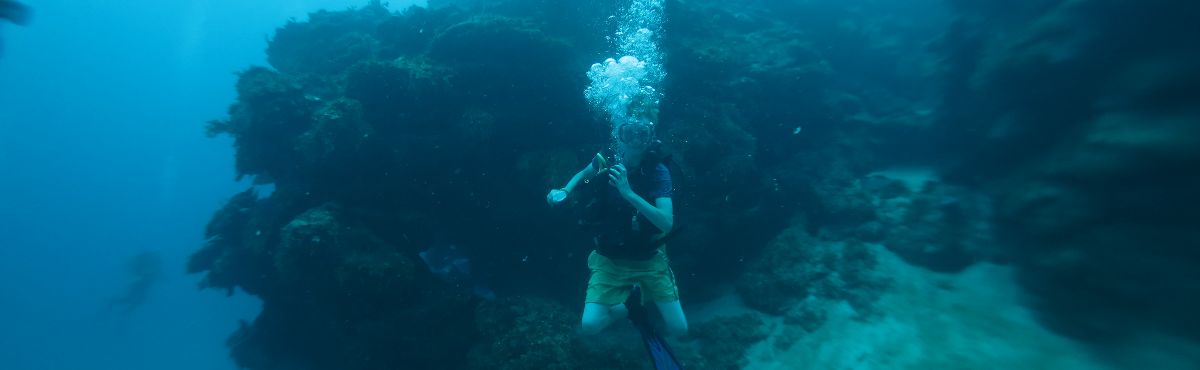
If getting in the water, and even acquiring an internationally recognized diving certificate is of interest to you, then that is certainly something that Kaya can organize. Marine conservation volunteer projects with diving include marine conservation in Thailand or monitoring manta rays and whale sharks in Mozambique.
But for those wishing to stick more to the beach and perhaps work with turtles, Kaya has numerous marine conservation volunteer projects that could see you working to preserve turtle numbers in stunning locations such as Ecuador, Sri Lanka, or Costa Rica.
If you are interested in a future career in marine conservation, or you are looking to further a preexisting career, any of these projects would look impressive on a resume or college application.
As well as being able to swim, marine conservation volunteers should be passionate about the ocean, its wildlife, and preserving it for the future of the planet. You must enjoy being outdoors, and keeping active, as often these projects include a good amount of activity and physical work. If you are comfortable in deeper water and can pass some basic medical questions then you will be able to obtain an international diving qualification, whilst participating in essential marine conservation work. To find out more about how you can help, read our blog on marine conservation volunteering.
Join Kaya as a marine conservation volunteer and work on sustainable initiatives aiming to recover coral reefs, preserve marine habitats, and protect the incredible array of species beneath our waters.
Our Marine Conservation volunteer projects
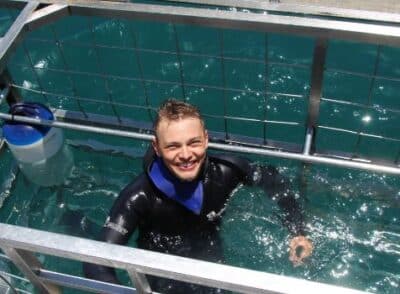
Join this Marine Big 5 Volunteer Program in Gansbaai South Africa and contribute to the protection of the Cape Coast ecosystem!
wishlistRemove from
wishlist
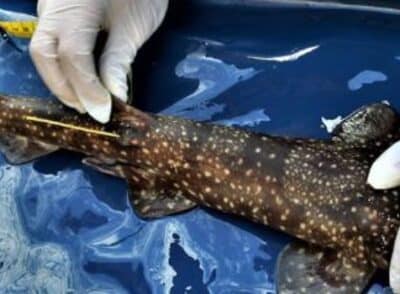
Join this Scientific Skills Based Marine Internship in Gansbaai South Africa as and assist world class biologists and researchers.
wishlistRemove from
wishlist
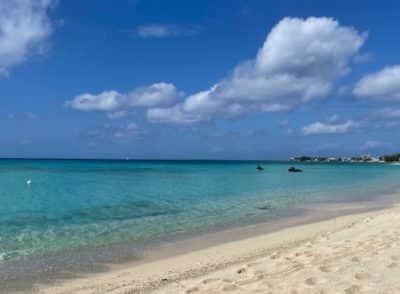
Join this fantastic Marine Science Education Internship in Little Cayman and experience life on a tropical island whilst contributing to meaningful conservation work!
wishlistRemove from
wishlist
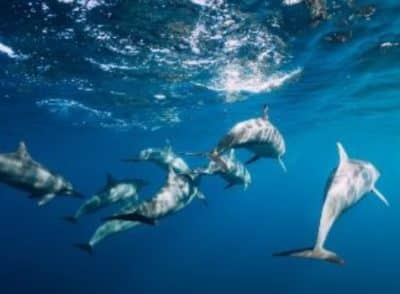
Join this amazing Marine Science Research Internship in Little Cayman and get some real insight into marine conservation in the Caribbeans!
wishlistRemove from
wishlist

Combine study abroad and intern this fall or spring in Ecuador
wishlistRemove from
wishlist
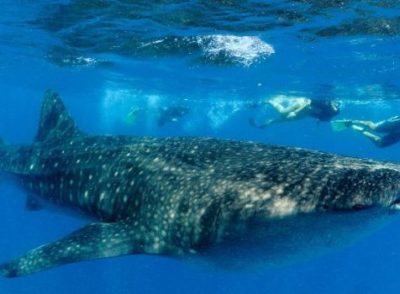
Volunteer in Mozambique with hands-on whale shark research, coral reef monitoring, humpbacked whale monitoring and turtle nest surveys.
wishlistRemove from
wishlist
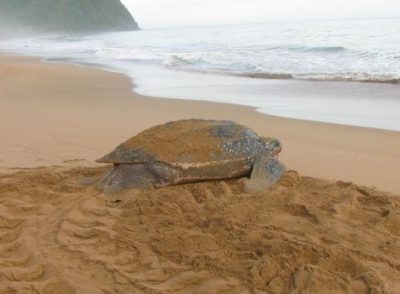
Volunteer on this Sea Turtle conservation project and protect female sea turtles, their nests and hatchlings on beaches along the coasts of Costa Rica.
wishlistRemove from
wishlist
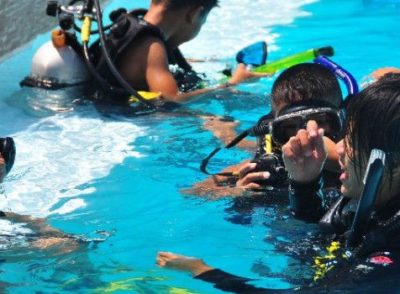
This marine conservation project is perfect for divers or those wishing to learn to dive and contribute to sustainable development for the sea and local communities.
wishlistRemove from
wishlist
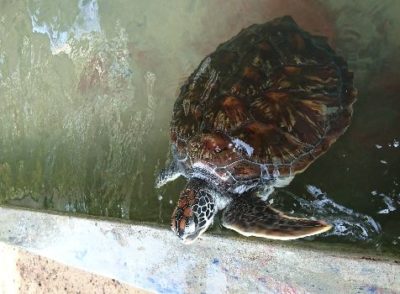
Volunteer with us on a turtle conservation project in Sri Lanka and help a local team protect five endangered species of turtle.
wishlistRemove from
wishlist
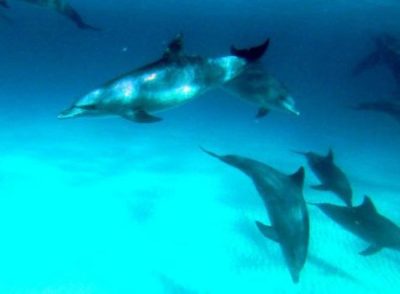
Volunteer on a Dolphin and Marine Conservation project on the island of Zanzibar and help preserve the habitats by monitoring tourist and wildlife interaction.
wishlistRemove from
wishlist

Why not do a bit of everything on this 5 week volunteer and adventure tour that takes you to Mozambique, Swaziland and Kruger National Park in South Africa.
wishlistRemove from
wishlist
Easy 4-step application process
APPLY ONLINE
Apply online and pay your application fee to apply for your space on your chosen project. Our advisors will then contact you to guide you through the next steps.
TELEPHONE INTERVIEW
Once we’ve received your application, we’ll review your details and be in touch to arrange your informal telephone interview with your Kaya Placement Advisor.
CONFIRMATION
Following your interview, we will provide you a placement offer. Once you are ready to confirm your placement and dates, you can pay your confirmation fee to book and secure your space.
GET PREPARED
When you have confirmed your project dates we'll send you your Welcome Pack and lots of other helpful information to assist you with preparing for your placement.